Table of Contents
Introduction
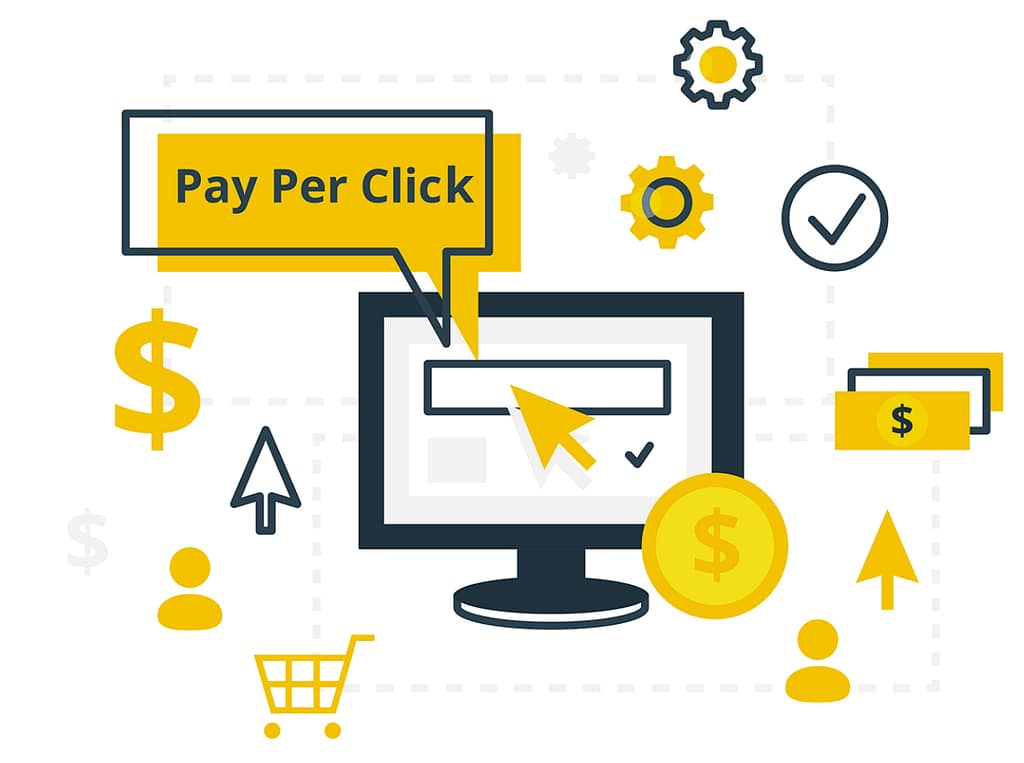
In today’s competitive digital landscape, businesses cannot rely on organic traffic alone. Search engine optimization (SEO), content marketing, and social media are vital, but they take time to show results. For businesses that want to generate instant visibility, qualified leads, and measurable ROI, Pay-Per-Click (PPC) advertising is the go-to solution.
PPC advertisement service is a model of internet marketing where advertisers pay a fee each time their ad is clicked. Unlike traditional advertising, where you pay for impressions regardless of engagement, PPC ensures that you only pay for actual clicks. Whether it’s Google Ads, Bing Ads, Facebook Ads, or LinkedIn Ads, PPC offers unmatched precision in targeting customers at the right time and place.
This blog will serve as a comprehensive 3000-word guide on PPC advertising, its importance, benefits, strategies, platforms, and how businesses can maximize results through professional PPC management services.
Table of Contents
- What is Pay-Per-Click (PPC) Advertising?
- Why PPC is Essential for Businesses Today
- Types of PPC Advertising
- Search Ads
- Display Ads
- Shopping Ads
- Social Media Ads
- Video Ads
- Remarketing Ads
- Search Ads
- Key Components of a Successful PPC Campaign
- Benefits of PPC Advertising
- PPC Platforms You Should Know
- PPC vs. SEO: Which is Better?
- Common PPC Mistakes to Avoid
- Role of a Professional PPC Advertisement Service
- How to Choose the Right PPC Service Provider
- Future Trends in PPC Advertising
- Final Thoughts
1. What is Pay-Per-Click (PPC) Advertising?
PPC advertising is a model of internet marketing where advertisers bid on specific keywords relevant to their business. When a user searches for those keywords, the advertiser’s ad may appear at the top of search engine results pages (SERPs) or across partner networks.
The advertiser pays only when a user clicks on the ad, making it a cost-effective way to drive targeted traffic.
For example, if you run a bakery in New York and bid on the keyword “best bakery near me”, your ad will appear when someone searches for that phrase. If they click your ad, you pay a small fee — but you also gain a potential customer.
2. Why PPC is Essential for Businesses Today
Digital competition is fierce. Millions of websites compete for attention, and organic SEO alone is not enough to secure top positions. Here’s why PPC is critical:
- Instant Visibility: Unlike SEO, which can take months, PPC campaigns generate traffic as soon as they go live.
- Precise Targeting: Businesses can target users based on demographics, location, interests, device, and even browsing behavior.
- Measurable ROI: Every click, impression, and conversion can be tracked in real time.
- Budget Control: Advertisers set daily or monthly budgets, ensuring they never overspend.
- Competitive Edge: Businesses can outshine competitors by appearing on the first page of Google within hours.
3. Types of PPC Advertising
PPC advertising comes in many forms, each serving different marketing objectives.
a) Search Ads
These are text-based ads that appear at the top or bottom of Google or Bing search results. They target users actively searching for products or services.
b) Display Ads
Visual banner ads displayed across Google’s Display Network, reaching users on millions of websites and apps.
c) Shopping Ads
Product-based ads with images, prices, and store information. Popular for e-commerce businesses on Google Shopping.
d) Social Media Ads
Ads on platforms like Facebook, Instagram, LinkedIn, and Twitter, targeting audiences based on interests and demographics.
e) Video Ads
Short video promotions that appear on platforms like YouTube. Highly engaging and effective for brand awareness.
f) Remarketing Ads
Ads targeting users who previously visited your website but didn’t convert. A powerful way to re-engage lost leads.
4. Key Components of a Successful PPC Campaign
A winning PPC campaign doesn’t just happen. It requires careful planning and execution.
- Keyword Research: Identifying high-intent and cost-effective keywords.
- Ad Copywriting: Crafting compelling headlines and descriptions.
- Landing Pages: Creating optimized pages that encourage conversions.
- Bid Strategy: Choosing between manual and automated bidding.
- Targeting: Defining audience segments with precision.
- Ad Extensions: Adding site links, call buttons, and reviews for better visibility.
- Performance Tracking: Using analytics to measure CTR, conversion rate, and ROI.
5. Benefits of PPC Advertising
- Immediate Results – Start getting clicks and leads the same day.
- Highly Targeted – Ads are shown only to the right audience.
- Scalability – Increase budget anytime to get more leads.
- Brand Visibility – Appear on top of search results, even above organic listings.
- Cost-Effective – You pay only for actual clicks.
- Data-Driven Decisions – Analytics provide insights to refine campaigns.
- Enhanced Conversions – With remarketing and audience segmentation.
6. PPC Platforms You Should Know
- Google Ads – The most popular platform with vast reach.
- Bing Ads (Microsoft Advertising) – Smaller but often cheaper CPC.
- Facebook Ads – Powerful for demographic and interest targeting.
- Instagram Ads – Visual ads for lifestyle and product promotions.
- LinkedIn Ads – Ideal for B2B lead generation.
- Twitter Ads – Good for trending conversations.
- YouTube Ads – Best for video engagement.
7. PPC vs. SEO: Which is Better?
Both PPC and SEO are crucial for digital marketing.
- PPC Advantages: Immediate traffic, full control, measurable ROI.
- SEO Advantages: Long-term growth, free organic traffic, trust-building.
- Best Approach: Use PPC for instant visibility and SEO for sustainable growth. Together, they form a powerful marketing strategy.
8. Common PPC Mistakes to Avoid
- Targeting too broad an audience.
- Ignoring negative keywords.
- Not optimizing landing pages.
- Failing to test ad copies (A/B testing).
- Setting unclear goals.
- Not tracking conversions properly.
9. Role of a Professional PPC Advertisement Service
Running PPC campaigns requires expertise. Professional PPC services help with:
- Market research and competitor analysis.
- Keyword strategy and ad creation.
- Continuous campaign optimization.
- Bid management and budget allocation.
- Landing page optimization.
- Regular reporting and insights.
By outsourcing PPC management, businesses save time, reduce wasted ad spend, and maximize ROI.
10. How to Choose the Right PPC Service Provider
When selecting a PPC agency, consider:
- Experience & Certifications – Google Ads or Microsoft Ads certified.
- Transparency – Clear reporting and communication.
- Custom Strategies – Tailored campaigns for your business goals.
- Proven Track Record – Case studies and testimonials.
- Budget Flexibility – Ability to manage both small and large budgets.
11. Future Trends in PPC Advertising
PPC is evolving rapidly. Here are key trends shaping the future:
- AI & Automation – Smarter bidding and targeting.
- Voice Search Ads – Optimizing for voice-activated devices.
- Video Dominance – Growth of YouTube and short-form ads.
- Personalization – Hyper-targeted ad experiences.
- Cross-Channel Campaigns – Integrated strategies across multiple platforms.
- AR & VR Ads – Interactive advertising experiences.
12. Final Thoughts
PPC advertising is one of the most powerful tools in digital marketing. It offers instant traffic, measurable results, and precise targeting capabilities that traditional marketing cannot match. However, successful campaigns require expertise, continuous optimization, and strategic planning.
Whether you’re a small business owner or a large enterprise, investing in a professional PPC advertisement service can accelerate growth, increase conversions, and deliver a strong return on investment.
In the end, PPC is not just about buying traffic — it’s about buying opportunities.
Follow us on Instagram @formandfly_27
Check out our Blog on How Analytics Can Fuel Your Marketing Success


