Pay-Per-Click (PPC) Advertising: A Smart Way to Drive Targeted Traffic
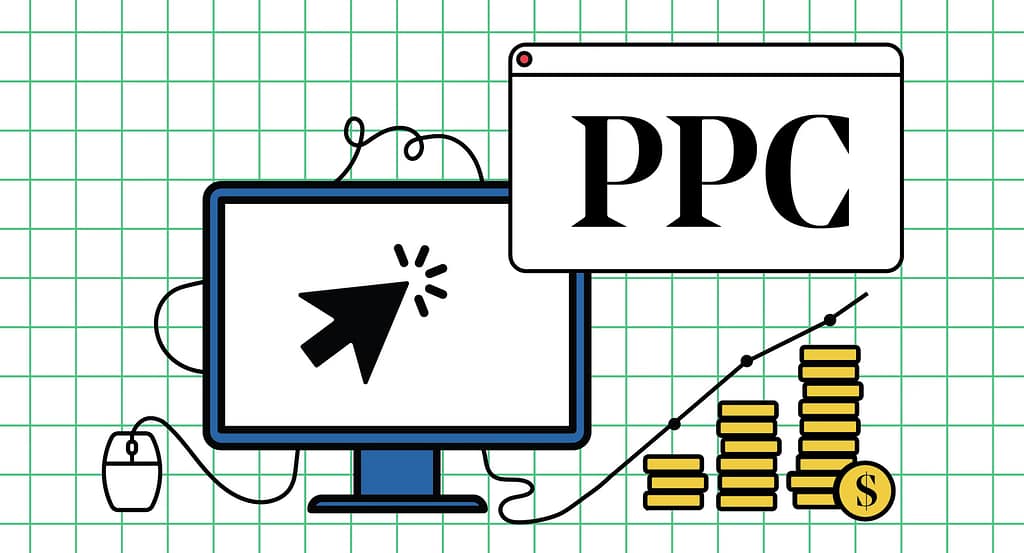
Pay-Per-Click (PPC) advertising is one of the most effective digital marketing strategies for businesses aiming to attract targeted traffic, increase brand visibility, and boost sales quickly. Unlike traditional advertising methods that charge upfront, Pay-Per-Click operates on a simple model—advertisers pay only when someone clicks on their ad. This makes it a cost-effective and measurable approach, ideal for both startups and established brands.
How PPC Works
Pay-Per-Click campaigns are primarily run on search engines such as Google (via Google Ads) and Bing, but they can also be implemented on social media platforms like Facebook, Instagram, LinkedIn, and YouTube. The process begins when advertisers bid on specific keywords relevant to their products or services. When a user searches for those keywords, the ads appear at the top or bottom of the search results. The position of these ads depends on several factors, including the bid amount, ad quality, and relevance.
For example, if you run a coffee shop and bid on keywords like “best coffee near me,” your ad may appear when someone in your area searches for that term. You only pay when the person clicks on your ad to learn more or visit your website.
Types of PPC Advertising
- Search Ads: The most common form of Pay-Per-Click, these text-based ads appear on search engine results pages (SERPs) when users search for specific keywords.
- Display Ads: These visual banner ads appear on various websites within Google’s Display Network, helping businesses reach users who might not be actively searching but are browsing relevant content.
- Shopping Ads: Used by e-commerce businesses, these ads display product images, prices, and store details directly in search results.
- Social Media Ads: Platforms like Facebook, Instagram, and LinkedIn allow businesses to run PPC ads targeting users based on demographics, interests, and behavior.
- Video Ads: Platforms like YouTube offer PPC video campaigns where advertisers pay when users engage with their video content.
Benefits of PPC Advertising
- Immediate Results: Unlike SEO, which takes time to build momentum, Pay-Per-Click can generate traffic and leads as soon as your campaign goes live.
- Cost Control: You can set daily or monthly budgets, ensuring you never spend more than you intend.
- Highly Targeted Reach: PPC allows precise targeting based on location, device, time, demographics, and user interests.
- Measurable Performance: Every aspect of a Pay-Per-Click campaign—clicks, impressions, conversions, and costs—can be tracked and analyzed for performance improvement.
- Brand Visibility: Even if users don’t click on your ad, its presence at the top of search results boosts brand recognition.
Optimizing a PPC Campaign
A successful Pay-Per-Click campaign requires continuous monitoring and optimization. Choosing the right keywords, writing compelling ad copy, designing high-converting landing pages, and using A/B testing are key to improving results. Regular performance analysis helps identify what works best, ensuring maximum ROI.
Conclusion
Pay-Per-Click advertising is an indispensable tool for businesses looking to grow their online presence and reach customers who are actively seeking their products or services. When managed strategically, PPC offers fast, measurable, and cost-efficient results—making it one of the most powerful components of modern digital marketing.
Get the best returns on investment using our well-managed Pay-Per-Click campaigns through platforms such as Google Ads, Meta Ads, Linkedin Ads, TikTok Ads and Bing Ads. These website marketing services campaigns ensure you reach the right audience at the right time. We are an expert agency in Performance Marketing and have boosted sales and leads for our clients 10X.
For more contact us on Instagram @formandlfy_27 or call us at +91 96506 09300


