
Table of Contents
Search Engine Optimization (SEO) is often divided into two main categories: on-page and off-page SEO. While on-page SEO focuses on optimizing elements within your website, off-page SEO encompasses all the activities that happen outside your website to improve its search engine rankings. In today’s competitive digital landscape, mastering off-page SEO is crucial for establishing authority, building trust, and achieving sustainable organic growth.
What is Off-Page SEO?
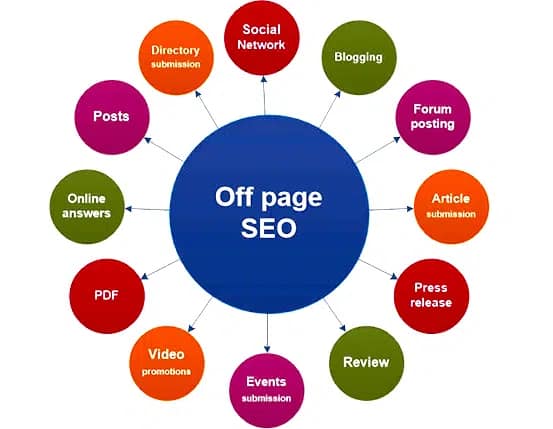
Off-page SEO refers to all the optimization efforts that take place away from your website to improve its position on search engine results pages (SERPs). It primarily focuses on building your website’s reputation, authority, and trustworthiness through external signals and references from other websites and platforms across the internet.
The fundamental principle behind off-page SEO is that search engines view external endorsements as votes of confidence. When other reputable websites link to your content, mention your brand, or reference your expertise, search engines interpret these signals as indicators of your website’s quality and relevance. This concept forms the backbone of how search algorithms determine rankings and has remained consistent despite numerous algorithm updates over the years.
Why Off-Page SEO Matters
Off-page SEO plays a pivotal role in determining your website’s search engine rankings for several compelling reasons. First and foremost, it serves as a trust signal to search engines. When authoritative websites link to your content, they’re essentially vouching for your credibility and expertise. Search engines use these external validation signals to assess the quality and reliability of your website.
Moreover, off-page SEO significantly impacts your domain authority, which is a metric that predicts how well your website will rank in search results. Higher domain authority, built through quality backlinks and positive external signals, often correlates with better rankings across all your web pages, not just those receiving direct backlinks.
Off-page SEO also drives referral traffic, bringing visitors to your website through various channels beyond search engines. This diversified traffic source reduces your dependence on organic search traffic alone and can lead to increased brand awareness, conversions, and customer acquisition.
Core Components of Off-Page SEO
Link Building: The Foundation
Link building remains the cornerstone of off-page SEO strategy. High-quality backlinks from authoritative websites serve as powerful ranking signals that can significantly boost your search visibility. However, not all links are created equal, and understanding the nuances of effective link building is essential for success.
Quality backlinks share several common characteristics. They come from websites with high domain authority and topical relevance to your niche. The linking page should have substantial content and receive organic traffic, while the link itself should be placed naturally within contextually relevant content. Additionally, the anchor text should be varied and appear natural rather than overly optimized with exact-match keywords.
Effective link-building strategies include creating linkable assets such as comprehensive guides, original research, infographics, and tools that naturally attract links from other websites. Guest posting on reputable websites in your industry can also generate valuable backlinks while establishing your expertise. Building relationships with influencers, journalists, and other content creators can lead to organic link opportunities through collaborations and mentions.
Social Media Signals
While the direct impact of social media signals on search rankings remains debated, there’s no denying their importance in off-page SEO strategy. Social media platforms serve as powerful channels for content distribution, brand awareness, and relationship building, all of which contribute to your overall online presence and authority.
Active social media engagement can amplify your content’s reach, increasing the likelihood of earning natural backlinks and mentions. When your content gets shared across social platforms, it exposes your brand to wider audiences who might reference or link to your content from their own websites or blogs.
Furthermore, social media profiles often rank well in search results for brand-related queries, making them valuable real estate for controlling your online narrative. Maintaining a consistent, professional social media presence across relevant platforms helps establish brand credibility and provides additional touchpoints for potential customers to discover and engage with your business.
Brand Mentions and Citations
Brand mentions, whether linked or unlinked, play an increasingly important role in off-page SEO. Search engines have become sophisticated enough to recognize and value brand mentions even when they don’t include direct links to your website. These mentions contribute to your brand’s overall authority and help search engines understand your business’s reputation and relevance within your industry.
Local businesses particularly benefit from consistent citations across online directories, review platforms, and local listing sites. These citations help establish location-based authority and improve visibility in local search results. Maintaining accurate and consistent business information across all citation sources is crucial for local SEO success.
Monitoring brand mentions allows you to engage with your audience, address concerns, and potentially convert unlinked mentions into valuable backlinks by reaching out to the mentioning parties. This proactive approach to reputation management can significantly impact your off-page SEO efforts.
Online Reviews and Reputation Management
Customer reviews have become integral to off-page SEO, particularly for local businesses and service providers. Positive reviews on platforms like Google My Business, Yelp, and industry-specific review sites contribute to your business’s credibility and can influence search rankings.
Search engines consider review signals when determining local search rankings, making reputation management a crucial component of off-page SEO strategy. Encouraging satisfied customers to leave reviews, responding professionally to all feedback, and addressing negative reviews constructively demonstrates your commitment to customer satisfaction and can positively impact your search visibility.
Beyond direct SEO benefits, a strong review profile builds trust with potential customers and can significantly influence conversion rates. Reviews serve as social proof, helping prospects make informed decisions about your products or services.
Advanced Off-Page SEO Strategies
Content Marketing and PR Integration
Integrating content marketing with public relations efforts creates powerful synergies for off-page SEO. Creating newsworthy content, conducting original research, and sharing industry insights can attract media attention and earn high-authority backlinks from news outlets and industry publications.
Developing relationships with journalists and industry reporters can lead to regular coverage opportunities. Offering expert commentary on industry trends, providing data for news stories, and being available as a reliable source can result in consistent media mentions and backlinks.
Press releases, when used strategically and sparingly, can also contribute to off-page SEO efforts. However, they should focus on genuinely newsworthy announcements rather than promotional content to maintain credibility and effectiveness.
Influencer Partnerships and Collaborations
Collaborating with influencers and industry experts can significantly amplify your off-page SEO efforts. These partnerships can take various forms, from guest content creation and co-authored articles to joint research projects and webinar collaborations.
Influencer partnerships provide access to new audiences and can result in high-quality backlinks from authoritative sources. When selecting influencer partners, focus on relevance and authenticity rather than follower count alone. Micro-influencers with highly engaged audiences in your niche often provide better ROI than larger influencers with less targeted followings.
Forum and Community Participation
Active participation in relevant online communities and forums can contribute to your off-page SEO strategy when done authentically and value-first. Platforms like Reddit, Quora, industry-specific forums, and professional networks provide opportunities to demonstrate expertise and build relationships within your target market.
The key to successful community participation is providing genuine value rather than promoting your business directly. Answer questions thoughtfully, share insights, and contribute to discussions in ways that establish your expertise and credibility. Over time, this approach can lead to natural mentions, traffic, and link opportunities.
Technical Aspects of Off-Page SEO
Understanding Link Equity and Authority Flow
Link equity, often referred to as “link juice”, represents the value and authority passed from one page to another through hyperlinks. Understanding how link equity flows helps inform strategic decisions about link building and internal linking structures.
Not all links pass equal amounts of equity. Factors such as the linking page’s authority, the number of outbound links on that page, the relevance of the linking site, and the placement of the link all influence the amount of equity transferred. Links from the main content area of a page typically pass more equity than those in sidebars or footers.
The concept of link equity also applies to your own website’s internal linking structure. Strategically distributing link equity to important pages through internal links can help improve their search rankings and overall site authority.
Avoiding Common Off-Page SEO Pitfalls
Many businesses inadvertently harm their off-page SEO efforts through practices that violate search engine guidelines or provide little value. Understanding and avoiding these pitfalls is crucial for long-term success.
Link schemes, including buying links, participating in link exchanges, or using private blog networks (PBNs), can result in severe penalties from search engines. These practices may provide short-term ranking improvements but pose significant risks to long-term search visibility.
Over-optimization of anchor text is another common mistake. Using exact-match keywords in anchor text too frequently appears manipulative to search engines. Instead, focus on natural anchor text variation that includes branded terms, generic phrases, and relevant keywords in appropriate proportions.
Measuring Off-Page SEO Success
Key Performance Indicators (KPIs)
Tracking the right metrics is essential for measuring the effectiveness of your off-page SEO efforts. Domain authority improvements, while not direct ranking factors, provide useful benchmarks for overall progress. Tools like Moz’s Domain Authority or Ahrefs’ Domain Rating can help track these improvements over time.
Backlink profile growth should be monitored both quantitatively and qualitatively. Focus on acquiring links from diverse, high-authority sources rather than simply increasing link volume. The referring domain count often provides more valuable insights than total backlink numbers.
Organic traffic growth and keyword ranking improvements are ultimate measures of off-page SEO success. However, these metrics can be influenced by various factors, so it’s important to analyze them in context with other SEO efforts and market conditions.
Tools and Technologies for Monitoring
Several professional tools can help monitor and analyze your off-page SEO efforts. Comprehensive SEO platforms like Ahrefs, SEMrush, and Moz provide detailed backlink analysis, competitor research capabilities, and ranking tracking features.
Google Search Console offers valuable insights into your website’s search performance and can help identify new backlinks and potential issues. Setting up Google Alerts for your brand name and key industry terms helps monitor mentions and potential link opportunities.
Social media monitoring tools can track brand mentions across various platforms, helping identify engagement opportunities and potential reputation management needs.
Future of Off-Page SEO
Emerging Trends and Technologies
The off-page SEO landscape continues to evolve with changing search algorithms and user behaviors. Artificial intelligence and machine learning are increasingly influencing how search engines evaluate off-page signals, with greater emphasis on context, relevance, and user satisfaction.
Voice search optimization is becoming increasingly important as smart speakers and voice assistants gain popularity. This trend affects off-page SEO through increased focus on local citations, natural language content, and featured snippet optimization.
Video content and multimedia assets are gaining prominence in search results, creating new opportunities for earning links and mentions through creative content formats.
Adapting to Algorithm Changes
Staying adaptable is crucial for long-term off-page SEO success. Search engines continuously refine their algorithms to better serve user needs and combat manipulative practices. The most sustainable approach focuses on building genuine authority and providing real value to users rather than exploiting algorithmic loopholes.
Building diverse, natural backlink profiles helps protect against the impact of algorithm changes. Over-reliance on any single link-building tactic or source can create vulnerabilities when algorithms shift.
Conclusion
Off-page SEO remains a critical component of a comprehensive search engine optimization strategy. Success requires a holistic approach that combines quality link building, brand building, content marketing, and relationship development. The most effective off-page SEO strategies focus on providing genuine value and building authentic relationships rather than manipulating search algorithms.
As search engines continue to evolve, the fundamentals of off-page SEO—building authority, trust, and relevance—remain constant. By focusing on these core principles and adapting tactics to changing landscapes, businesses can achieve sustainable improvements in search visibility and organic growth.
The investment in off-page SEO requires patience and consistency, but the long-term benefits of increased authority, traffic, and brand recognition make it an essential element of digital marketing success. Start implementing these strategies systematically, monitor your progress regularly, and remain committed to providing value to your audience and industry community.
Do read our other blog on How Analytics Can Fuel Your Marketing Success
Check out and follow our Instagram page


